

-
 Agenda 2063
-
 Circular Economy
-
 Climate Resilience & Adaptation
-
 Renewable Energy & Transition
-
Biodiversity
-
Sustainable Finance
-
 Governance & Sustainable Business
-
 Green Tech
-
Carbon Credits & Markets
-
Social Responsibility
-
Carbon, Net Zero & Decarbonisation
-
Health & Well-being
-
 Equity, Diversity & Inclusion
-
Sustainable Construction
-
Sustainable Lifestyle
-
Sustainable Fashion
-
Environmental Law & Policy
-
Environmental Responsibility
-
Marine & Oceans
-
Plastics
-
Sustainable Marketing & Communications
-
Sustainable Cities
-
Women & Gender
-
Workplace Culture
-
Stakeholder Engagement
-
Waste Management
-
Sustainable Development
-
Climate Diplomacy
-
Water, Sanitation & Hygiene
-
Sustainable Land Use
-
Sustainable Agriculture
-
Sustainable Aviation
-
Environmental, Social & Governance (ESG)
-
Sustainability Management
-
Sustainability Reporting
-
Education for Sustainable Development
-
Sustainability Strategy
-
Sustainable Supply Chains
-
Sustainable Procurement
-
Sustainable Logistics
-
Future of Work Skills
-
Business
-
Marketing
-
Lifestyle
-
Health & Fitness
-
Academics
-
Design









Future-Proofing Careers: How Young People Can Build Green Skills for Corporate Roles
This article is the fourth of a four-part series on Green Skills and the Future of Work (IV/IV)
This article is the fourth of a four-part series on Green Skills and the Future of Work (IV/IV)
Positioning Africa’s Youth for Opportunity in a Changing World of Work Across this series, one message has been clear: green skills is not a reserve for engineers but essential across all corporate roles as organizations actively build green-ready workforces.
Positioning Africa’s Youth for Opportunity in a Changing World of Work
Across this series, one message has been clear: green skills is not a reserve for engineers but essential across all corporate roles as organisations actively build green-ready workforces. However, there is one group at the centre of this transformation: Africa’s young people. As the continent undergoes both a green and digital transition, the question is no longer whether green skills matter, it is whether young professionals are prepared to meet the moment. For many young Africans, the path to a successful career has traditionally been defined by academic qualifications, technical expertise, and work experience. While these remain important, they are no longer sufficient on their own. Today’s employers are increasingly looking for individuals who can understand sustainability challenges, adapt to evolving business environments and contribute to responsible and future-focused decision-making. This shift is already happening across industries, from finance and real estate to manufacturing and technology. The future of work in Africa will reward those who can combine professional skills with sustainability awareness.
From my interaction with the subject of green skills with young people, one of the biggest misconceptions holding young people back is the belief that green skills require a technical or engineering background. This is not the case, as we have explored and debunked these myths and misconceptions throughout this series. Green skills are transferable and relevant across all disciplines, whether you study business administration, marketing, accounting and finance, human resources, procurement, logistics and supply chain or communications. You have a role to play in the green transition. The key is understanding how sustainability connects to your field of study and work.
Where Green Skills Show Up in Corporate Careers
To make this practical, consider how green skills apply in the following different roles. For finance and accounting, understanding ESG reporting, climate-related financial risks, and sustainable investments are key green skills to develop. Marketing and Communications promotes responsible consumption, supporting authentic sustainability messaging and avoiding greenwashing. Human Resources drives workplace culture, supporting employee engagement in sustainability, integrating green competencies into training. Procurement, logistics and supply chain supports ethical sourcing, green transportation, supplier sustainability standards, and reduce environmental impact. Operations and administration improve efficiency, reducing waste, and support sustainable workplace practices. These are not future roles; they are current realities in many organisations.
How Young People Can Start Building Green Skills
The transition to a green economy may feel complex, but getting started does not have to be. For young people and professionals, having access to a self and career development roadmap becomes essential to creating a personalised knowledge and practice journey. For starters, build foundational knowledge. Start by developing basic awareness of subjects such as climate change and environmental issues, sustainability in business and Environmental, Social, Governance (ESG) principles. Be intentional about taking both free and paid online courses, webinars and industry events as well as reports and thought leadership from sustainability focused leaders and organisations. Further to this, learn by doing, as skills are built through practice. Look for opportunities to participate in sustainability-related projects, volunteer with organisations working on environmental or social issues and take part in campus or workplace initiatives. Be mindful that even small actions, such as leading a recycling initiative or supporting a sustainability campaign can build valuable experience.
It is equally important to align your career path with sustainability. You do not necessarily need to change your career; you only need to enrich it. Through an intrapersonal and reflective process, ask yourself how sustainability relate to your field and what skills you need to develop to add value in this area. Afterwards, take intentional steps to choose internships or roles with sustainability exposure, work with organisations that prioritise responsible practices and seek mentors in sustainability-related roles. Beyond this, position yourself strategically as the possession of green skills places you in a competitive position than you market peers. Young professionals and graduates for instance should highlight sustainability-related experience on their CVs, speak about green skills confidently in interviews and demonstrate awareness of industry trends. This signals to employers that you are forward-thinking, adaptable and ready for the future of work. Additionally, do well to stay curious and adaptable. The green economy is still evolving as new roles, expectations, and opportunities will continue to emerge. The most valuable skill, for a young person or professional, therefore, is the ability to learn continuously, adapt quickly, and stay informed.
Through all these, the role of ecosystem support cannot be overly emphasised. While individual action is important, young people cannot do this alone. There is a critical role for employers to provide learning opportunities, educational institutions to integrate green skills into curricula and development partners to invest in youth-focused programmes. When these systems work together, they create pathways that make it easier for young people to transition from learning to earning in a green economy.
A Defining Opportunity for Africa
Africa’s green transition is not just about addressing climate challenges; it is about unlocking economic opportunity. For young people, this is a chance to enter emerging job markets, build relevant and future-proof careers and contribute to sustainable development across the continent. This opportunity will however not automatically translate into outcomes as it requires adequate preparation. As this series has shown, the conversation around green skills must evolve from niche to mainstream, technical to universal and from awareness to action. For Africa’s young professionals, the message is clear: You do not need to wait for the future you can prepare for it now. By building green skills, understanding their relevance, and applying them in your career, you position yourself not just as a job seeker but as a contributor to Africa’s transformation. From redefining green skills, to identifying competencies, to enabling organisations, and finally empowering young people, this series calls for a collective response.

More from Enoch Opare Mintah

Every Desk is a Green Desk: ...
23 Apr 2026
The $2.8 Trillion Opportunity: ...
17 Jun 2026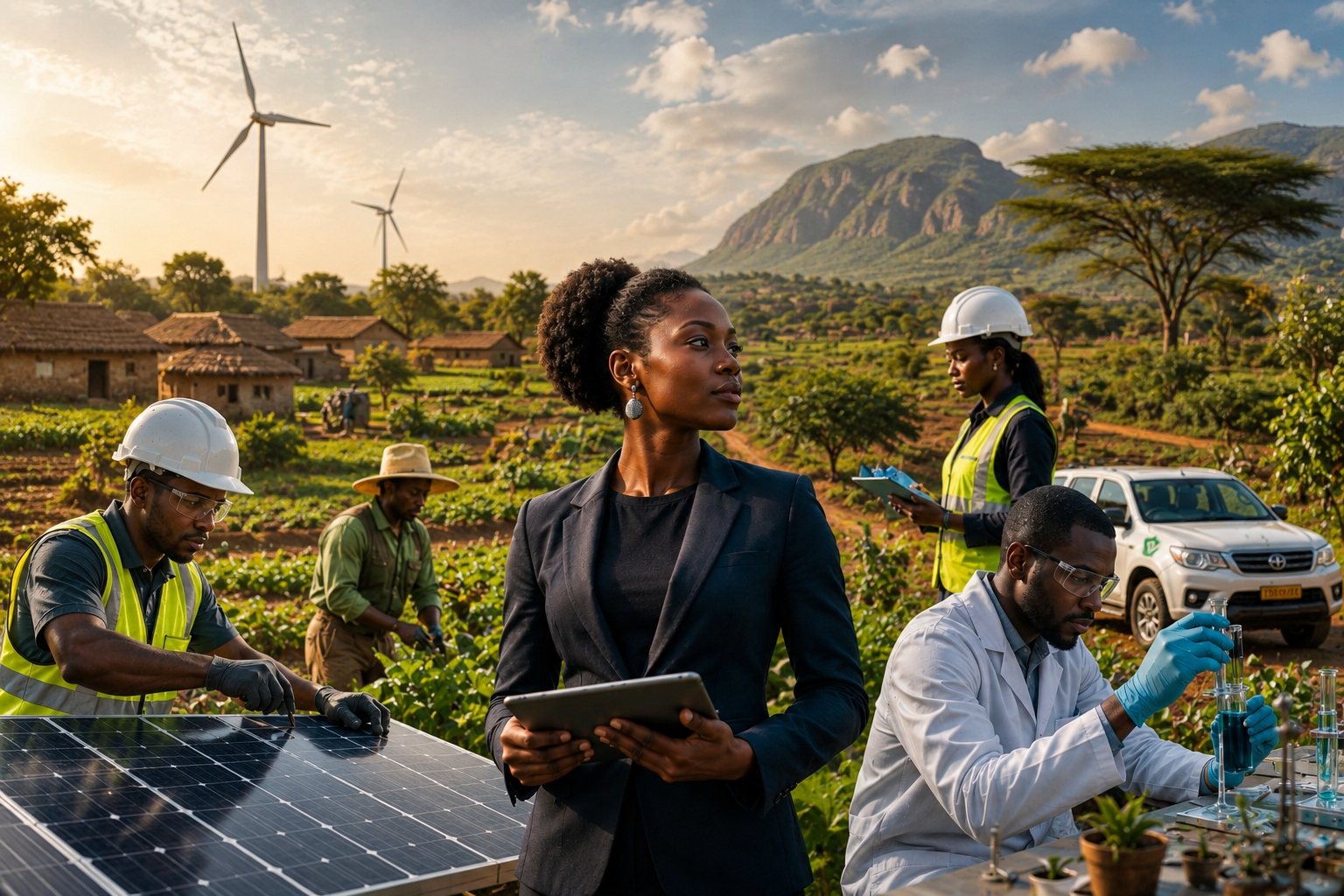
Top 20 Green Jobs Growing in ...
16 Jun 2026
Comments
Subscribe to Our Newsletter


Additional Links
Login Register Contact Certificate Validation Become Instructor About Terms and PoliciesContact US


Reply to Comment